Seated Relaxation
Description This fun exercise will convince even the most reluctant participant that there is real value in practicing simple relaxation techniques when the stress level rises. Participants will hold an ice cube in one hand for one minute. After a short break, they repeat this while doing a relaxation exercise. The exercise demonstrates that deep…Full content with purchase
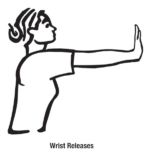
Description Each day your staff interacts with customers, coworkers, and supervisors. Each of these interactions is a potential source of stress. This easy to teach activity will give reps useful stress reduction tools that they can use at any time. This activity was adapted from the booklet Yoga at Your Desk. Materials A relaxing Drip…Full content with purchase
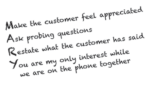
Description This is a fun way to refresh skills during Customer Service Week. It can be used at any time to add a little spontaneous fun and training to the day. Consider introducing it during an ice cream sundae break, pot luck lunch, or any other time that people are gathering. Materials Small paper bag…Full content with purchase
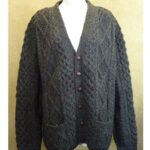
Description This fun activity demonstrates the importance of clear communication and some of the pitfalls when instructions are ambiguous. This activity was adapted from The Customer Service Activity Book. Materials A jacket or sweater that buttons up the front Directions Ask the group to form a circle around you. You should be wearing the jacket.…Full content with purchase
Description This activity reinforces the idea that there are many ways to give great service. It was adapted from The Big Book of Customer Service Training Games. Materials Note Pads and Pens for each participant (if on-site.) Directions Ask each participant to write their first name vertically down the center of a sheet of paper. Demonstrate by…Continue reading

In this activity, frontline reps will share service stories and develop a list of what to do and what not to do when working with customers.
Paper and pen, or whiteboard and marker for the leader.
First, draw a line down the center of the paper. Label one side, “What to Do,” and the other side, “What NOT to Do.”
Ask participants to think of the best experience they have ever had with a customer service rep. Invite three or four people to share their experiences. As they are telling their stories, add key words and phrases in the column headed, “What to Do.” For example, listened, asked great questions, really cared, etc.
Now, ask participants to think of the worst experience they have ever had with a customer service rep. Again, invite three or four people to share their experiences. Add key words and phrases in the column headed, “What NOT to Do.” For example, interrupted, ignored, argued, etc.
This activity works well when the leader shares the growing lists on screen via Zoom or another collaboration platform.
After the activity is completed ask everyone to take a quiet moment later in the day to think about their own work and to ensure that it reflects the team’s dos and don’ts.

This simple exercise will focus attention on the importance of active listening by illustrating how information can become lost or distorted.
Copies of the “story” for all observers
Have the group arrange their chairs classroom style or around a table.
Assign five or six people to be the participants. The remainder will be observers. Ask all but one of the participants to briefly leave the room. While they are gone, read a short story to the remaining people. Explain that the story will be retold and that the observers should note any errors or changes that occur.
Now invite one participant back into the room. Ask the first participant to tell the story to the second. Invite one more participant back into the room. Ask the second participant to tell the story to the third. Continue until everyone is back in the room and the last participant has shared the story with the group.
Finally, ask the observers to relate what elements of the story were changed or omitted.
Take a few moments to discuss the perils of lost or distorted information when working with customers. For example:
Sample story:
The Texas spirit of fun and hospitality lights up Paseo Del Rio, the San Antonio Riverwalk. This festive and popular travel destination shimmers with color and light. Along the left bank, two lines of brightly colored café umbrellas shelter outdoor diners and adorn the cobblestone walk. Above the rainbow rows of umbrellas, white lights strung between oak trees along the walking path glimmer softly in the dusk.
Return to Customer Service Week Activities
In this activity, participants practice picking up clues that can help them build rapport with customers. Building rapport, or creating a bond of trust, will help ensure productive relationships with customers even in the most trying times.
This activity was adapted from The Big Book of Customer Service Training Games.
A Scratch Off Card for each participant
Prepare for this activity by cutting out magazine or online photos of people in everyday situations. You’ll need three to four photos per group.
Briefly discuss the concept of rapport. Explain that in this game participants will practice picking up clues from “customer” photos. These clues will be used to build connections with customers.
Divide your group into teams of two or three people. Give each team a selection of photographs. Ask them to come up with questions or statements that they might use to make pleasant, light conversation with the “customer” in the photo.
Provide an example to help the teams get started. For example, for a photo of a man in a Denver Broncos shirt with three children at his side you might say:
After about 10 minutes, ask the teams to share one or two of their photos and rapport-building questions or statements with the entire group.
Return to Customer Service Week Activities